I write code, optimize systems, and build for scale.
Currently
a Graduate TA at Northeastern, mentoring in databases and SQL.
Looking for a Fall 2025 co-op to create fast, reliable software
that makes an impact.
 Boston, MA, USA
Projects
Store It Cloud Storage App

Built a full-stack cloud storage manager with secure file upload, preview, and categorized dashboards using Next.js, React, and Tailwind CSS. Integrated Appwrite for authentication and file storage, using signed URLs for secure downloads. Structured a type-safe codebase with TypeScript and deployed via Netlify with environment-based configs.

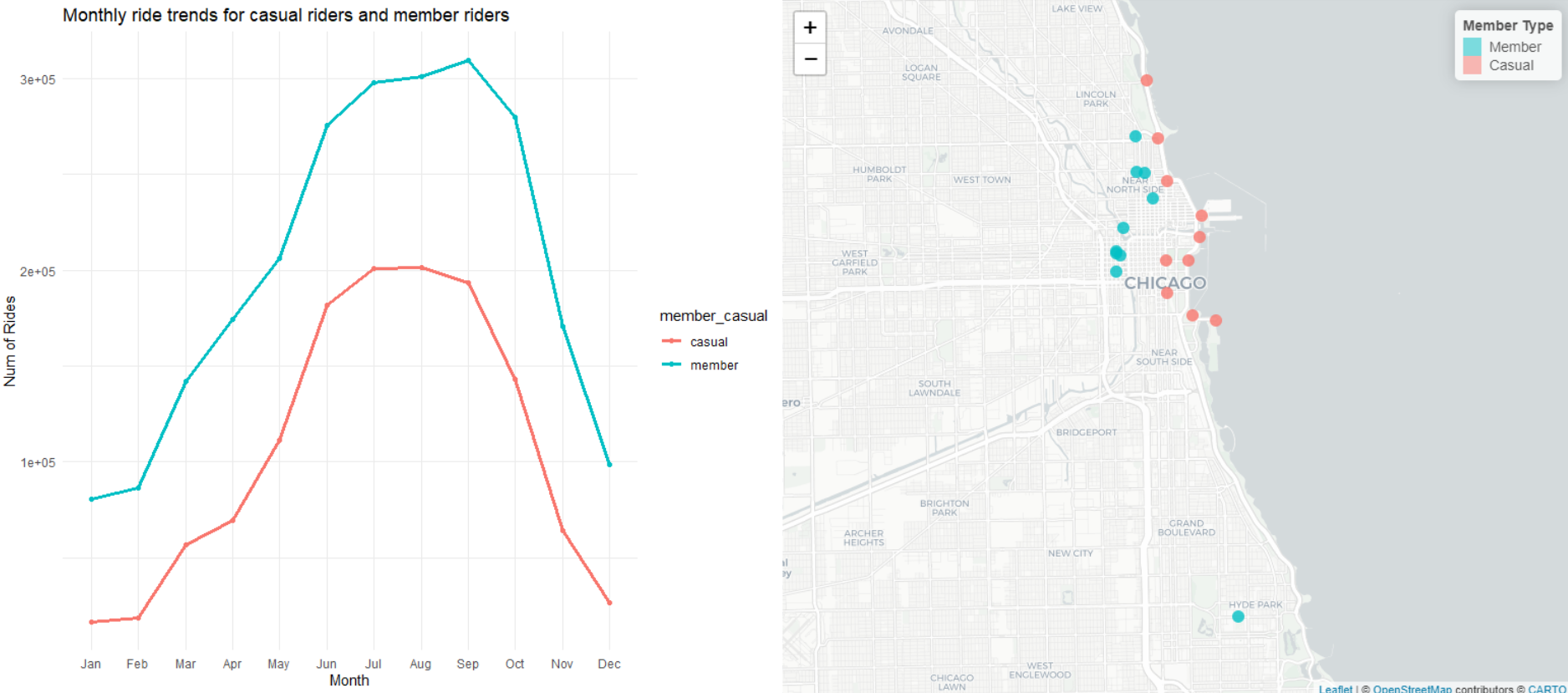
Cyclistic Bike-Share Case Study
Completed a comprehensive end-to-end case study as part of the Google Data Analytics Certificate. Analyzed over 5 million rows of bike-share data using R to uncover user behavior trends between casual and annual riders. Created actionable recommendations backed by data visualizations and shared insights to support a marketing strategy.
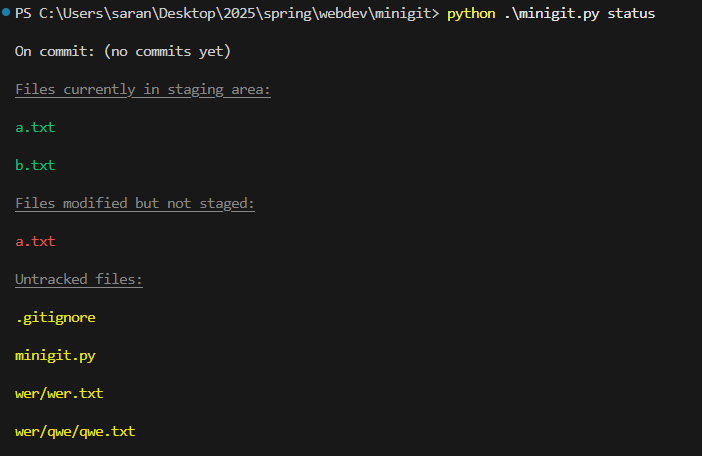
MiniGit - Lightweight Version Control System
Developed a lightweight, Git-like version control system from
scratch in Python. Supports core Git features such as repository
initialization, staging, committing, commit logs, checkout, and
working directory status tracking. Designed an object-based
architecture using content-addressable storage and structured
commits with JSON. Includes a custom ignore system via
.minigitignore and robust CLI built with Python's
standard library.
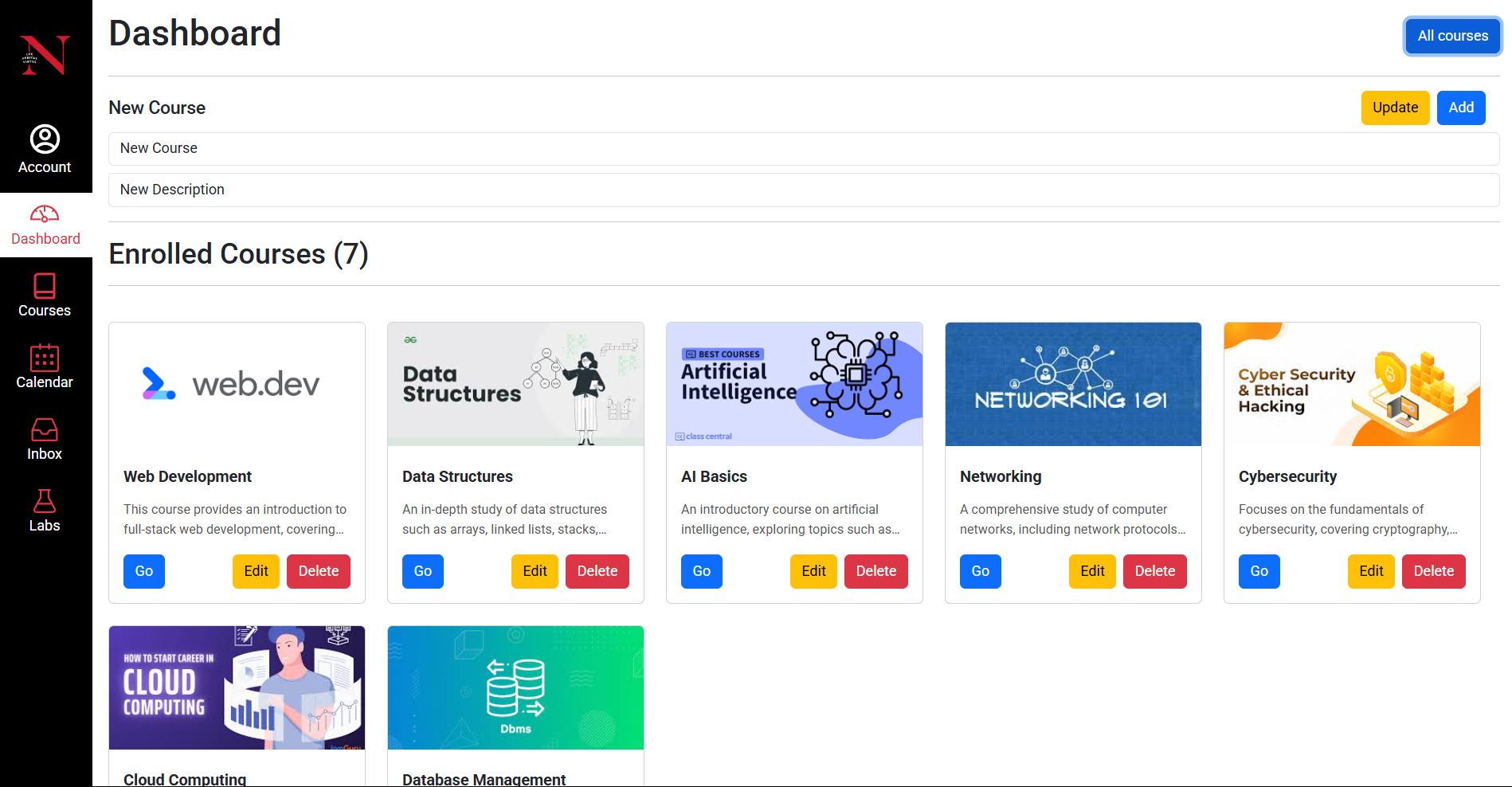
Kambaz Learning Management System
Developed a role-based learning platform enabling secure access
for students and professors using JWT and bcrypt authentication.
Built optimized RESTful APIs and a dynamic quiz module with
MongoDB-backed data storage for courses and assessments.
Implemented comprehensive testing with Jest and Cypress,
significantly improving reliability and reducing production
issues.
LeetCode Submission Auto-Archiver
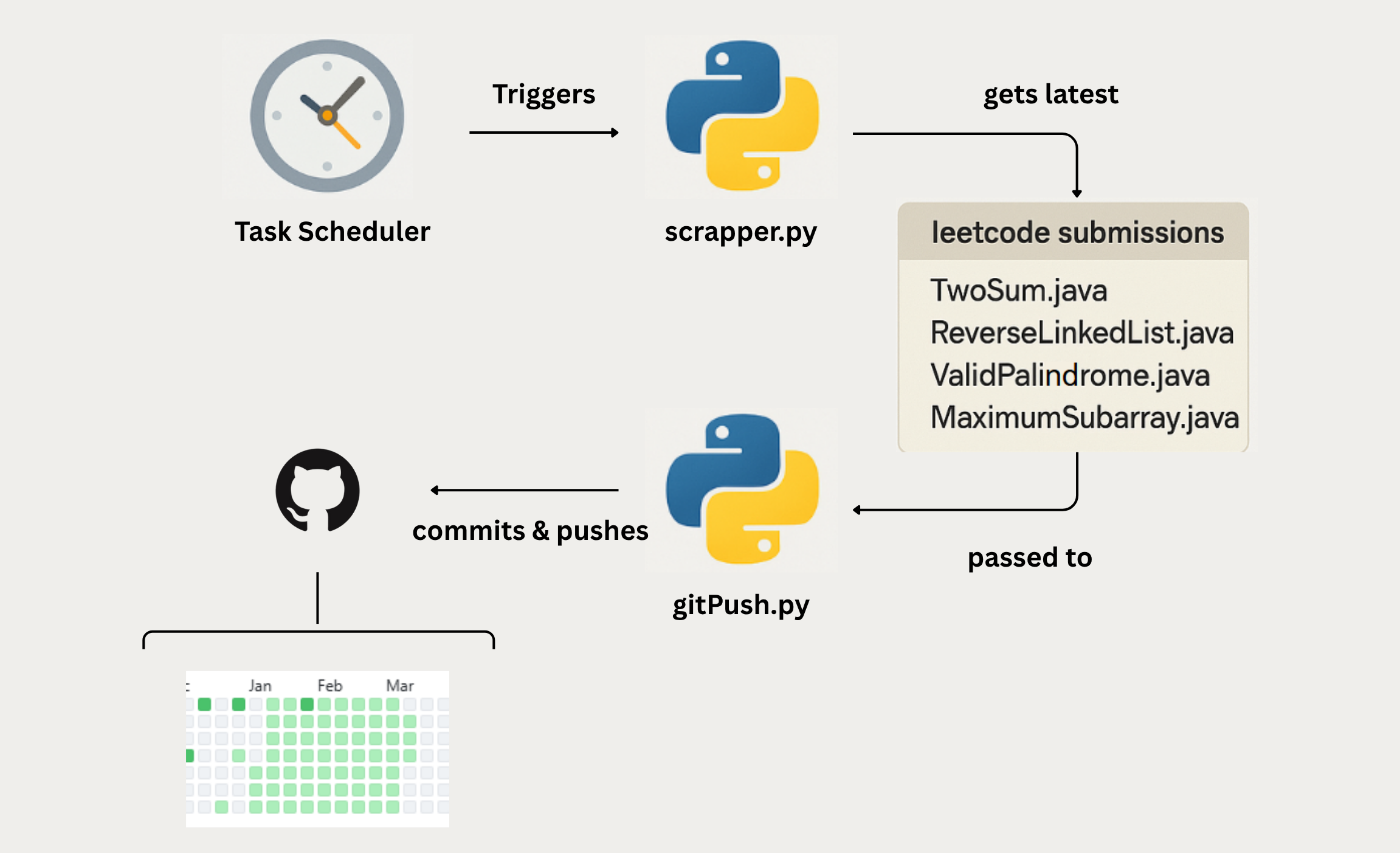
I got tired of manually saving my LeetCode solutions every day, so
I built a Python automation tool to do it for me. It fetches my
latest submissions, organizes them into clean code files, and
pushes them to GitHub starting from the last synced commit.
I scheduled it with Windows Task Scheduler, and now it
updates hands-free—cutting down my manual effort by 98% and
keeping a consistent version history of my coding practice.
Data Professionals Insights Dashboard
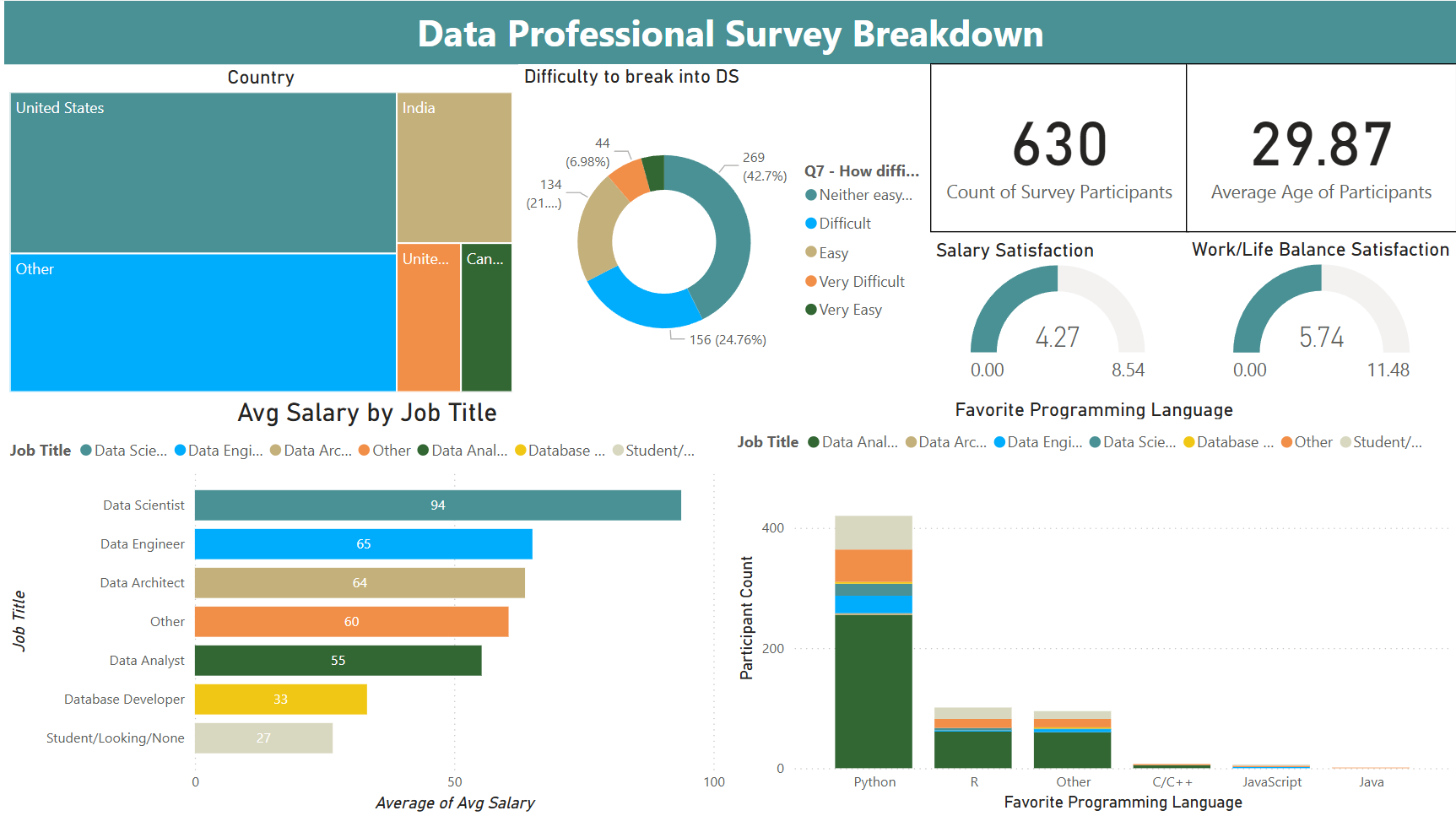
I was curious about global trends in data professionals
careers—things like pay, satisfaction, and where talent is
concentrated—so I decided to build an interactive dashboard using
the Kaggle Data Professionals Survey.
I cleaned and shaped the raw data in Power Query, then modeled it
in Power BI to surface insights like average salary by role,
country-wise participant distribution, and work-life balance
across jobs. Through slicers and visuals, the dashboard helped me
(and potential stakeholders) explore workforce patterns and
benchmark compensation and well-being in the data industry.
Seattle Rental Trends Explorer
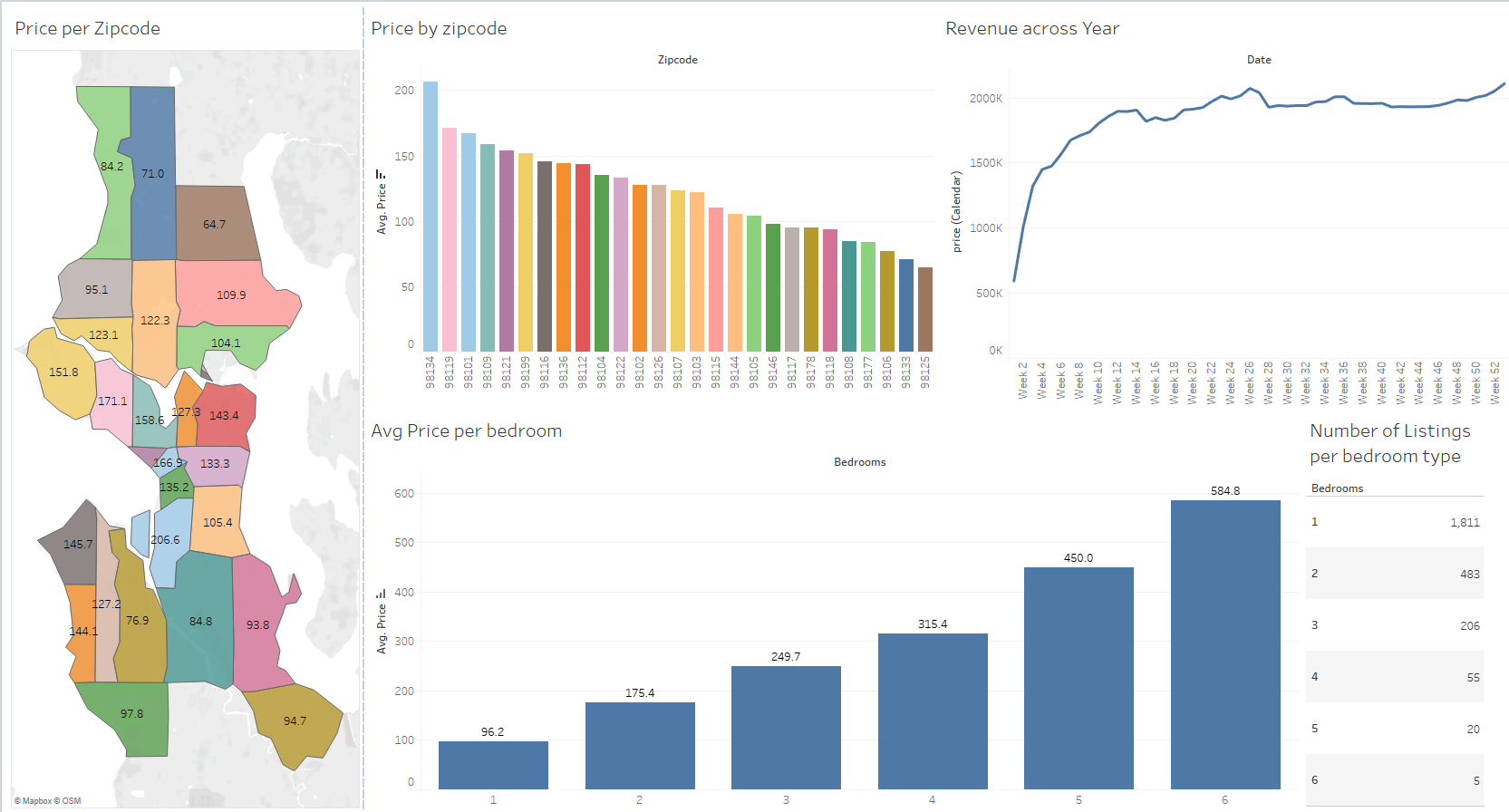
My friend in Seattle wanted help pricing her apartment listing, so
I built a Tableau dashboard to analyze local rental trends.
Using data on Airbnb listings, I visualized average
prices by ZIP code, number of listings by bedroom count, seasonal
revenue patterns, and the highest and lowest rates charged across
the city. The dashboard gave her a clear view of when to list and
how to position her apartment for maximum income.
Bike Sales Demographics Analyzer
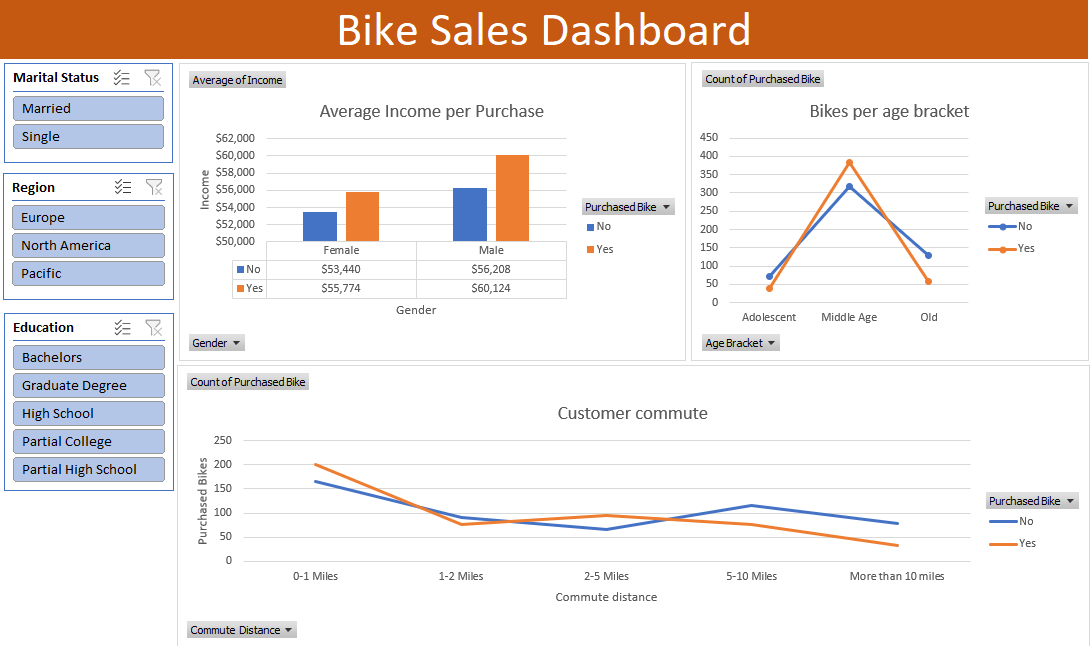
I stumbled across a rich bike-sales dataset and convinced myself
to peek beneath the surface numbers. So I loaded it into Excel,
cleaned it with Power Query, and spun up pivot-table dashboards
that let me slice sales by age bracket, commute distance, income
tier, and region. As the charts took shape, clear patterns
emerged.
Short-distance commuters and middle-aged folk drove the most
purchases—turning a casual data dive into an insightful look at
what really moves bikes off the showroom floor.
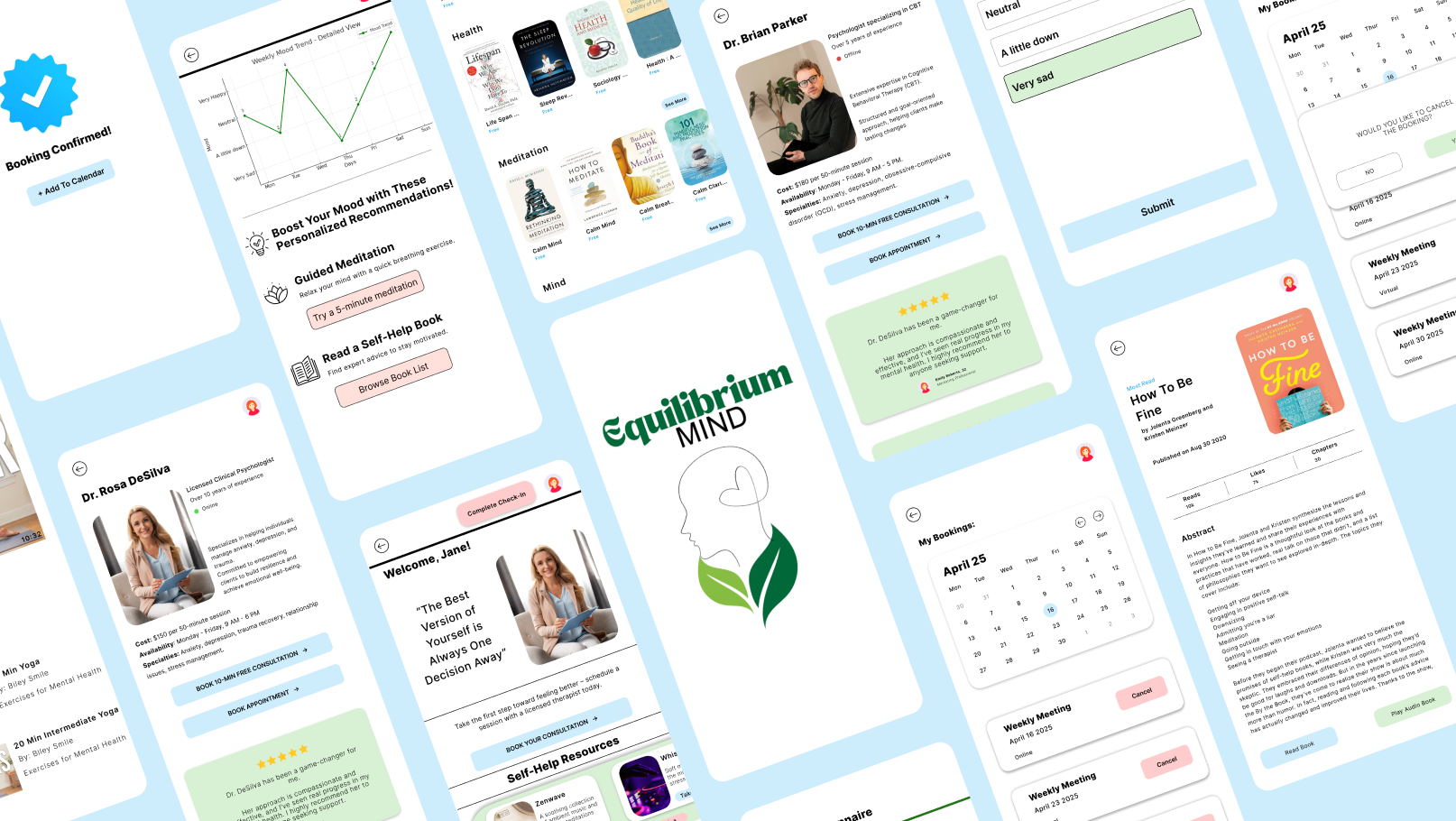
Equilibrium Mind
I collaborated with two of my friends where we focused on creating
a student-friendly mental wellness app rooted in real user needs.
We began with competitor analysis and user interviews to identify
pain points in existing solutions, then moved through paper
prototyping and low-fidelity wireframes.
Usability
testing early on helped shape intuitive user flows, while a
heuristic evaluation after the first high-fidelity prototype
iteration led to critical refinements. The result was a polished,
empathetic interface that delivers personalized care through
seamless navigation, engaging content, and smart recommendations.